How does The Joint Commission survey infection control in facilities?
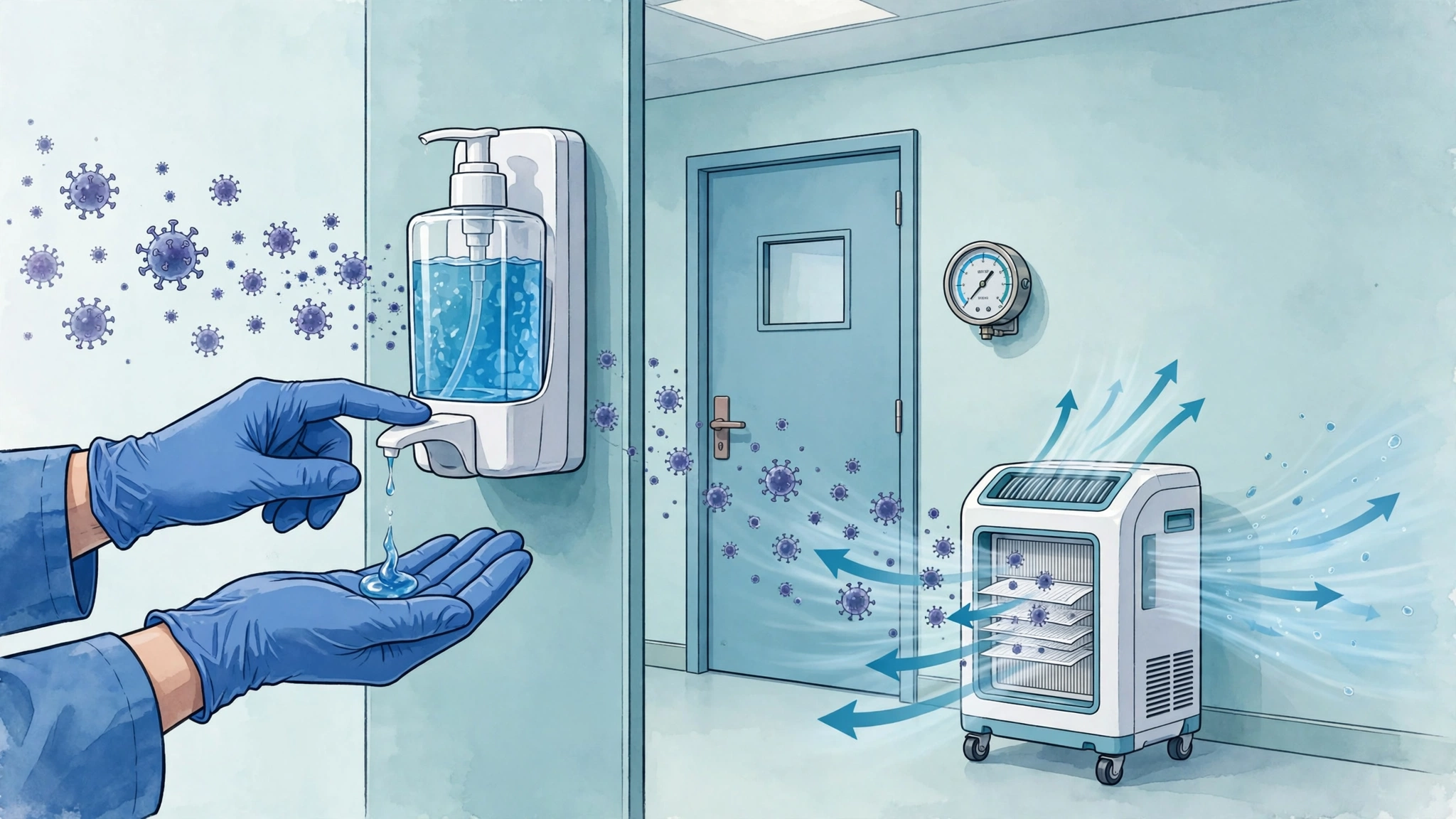
The Joint Commission surveys infection control by tracing real infection risks through your facility: isolation room practices, hand hygiene compliance, sterilization and high-level disinfection, construction-related infection risks (ICRA), and water management. Surveyors observe practice, interview staff, and review surveillance data — and under the 2026 National Performance Goals, infection prevention and control is NPG 5, a standalone hospital goal.
What surveyors actually do
- Observe hand hygiene, PPE use, and isolation precautions in real time on units — including whether staff can explain the precautions for the patient in front of them.
- Trace the reprocessing pathway: from dirty instrument to sterile storage, checking cleaning, high-level disinfection or sterilization, and storage practices.
- Inspect the physical environment’s infection controls: negative-pressure room monitoring, construction barriers and ICRA compliance on active projects, water management program implementation.
- Review surveillance data, outbreak investigation records, and antibiotic stewardship documentation.
The facilities overlap most teams miss
Infection control surveys are not just the IP department’s problem. Surveyors connect clinical practice to your systems constantly: the isolation room whose pressure monitor hasn’t been calibrated, the construction zone without an ICRA permit, the eyewash station with no weekly flush log, the water management plan that exists on paper but never gets executed. Every facilities-owned infection control touches the survey.
High-risk areas that draw focus
- Operating rooms and sterile processing: environmental controls, traffic patterns, sterilization monitoring
- Construction and renovation zones: ICRA permits, barriers, negative air, terminal cleaning
- Water systems: Legionella water management plan per ASHRAE 188, flushing logs, temperature monitoring
- Isolation rooms: pressure relationships verified and documented, anteroom practices
Infection control is a facilities discipline too.
Read the complete infection control guide and the ICRA matrix and barriers guide.
FAQ
What is NPG 5?
National Performance Goal 5 (effective January 2026): “The hospital prioritizes infection prevention and control.” It consolidated the former NPSG infection-control requirements under Accreditation 360.
Do surveyors watch hand hygiene directly?
Yes — direct observation of hand hygiene and PPE compliance during unit visits is standard practice.
How does construction factor into the infection control survey?
Surveyors check ICRA permits, barrier integrity, negative-air operation, and terminal cleaning for active projects — and whether the infection preventionist was involved in planning.