Continuous Compliance Monitoring: Real-Time CMS Survey Readiness and Technology-Enabled Operations
The Compliance Paradigm Shift: From Audits to Operations
For decades, healthcare facility compliance operated on a predictable cycle: CMS surveyors would announce a visit weeks in advance, triggering intensive preparation—staff meetings, document gathering, facility inspections, staff retraining, and rapid remediation of observed deficiencies. This “point-in-time” approach created an adversarial relationship between compliance teams and operations, where the goal was to “pass the survey” rather than maintain continuous operational excellence.
In 2026, this model is becoming indefensible. CMS has shifted toward unannounced surveys and complaint-triggered reviews, reducing the advance notice period from weeks to days or hours. Simultaneously, the regulatory environment has become more sophisticated: surveyors now review electronic records in real time, audit automated monitoring systems, and assess how facilities use data to drive continuous improvement. This convergence creates an inescapable reality: the only defensible way to achieve compliance at scale is to make compliance an operational function, not an audit preparation function.
Healthcare facilities that have implemented continuous compliance monitoring report three transformative outcomes: first, they pass surprise CMS surveys without intensive preparation because compliance is genuinely continuous; second, they reduce the burden on clinical staff because compliance documentation is automated rather than manually assembled before surveys; third, they identify and remediate deficiencies in real time, preventing patient harm and regulatory violations from occurring in the first place.
Modern Systems Tracking and Automated Compliance Documentation
Continuous compliance monitoring requires integration across multiple technology systems that traditionally operated in silos: the facility management system (tracking environment of care, maintenance, repairs), the electronic health record (documenting clinical processes and infection control), the human resources management system (tracking staff competency, training, immunization), the quality management system (recording incidents, near-misses, complaint investigations), and specialized compliance platforms that aggregate data from these systems and assess it against regulatory requirements.
Environment of Care Monitoring: CMS requires healthcare facilities to maintain safe, clean, and functional physical environments. Traditionally, this meant facility staff conducting monthly or quarterly inspections, documenting findings in paper logs or spreadsheets, and hoping surveyors didn’t discover the areas not recently inspected. Modern facilities now implement building management systems (BMS) integrated with mobile-based inspection tools that capture real-time data on environmental conditions.
Example workflow: A nurse notices a maintenance issue (water stain on ceiling in patient care area). Instead of calling maintenance and hoping the issue is documented, she uses the BMS app on her phone to photograph the issue, document the location, assign it to maintenance, and set a due date for repair. The system automatically logs this as an environment of care issue, creates a maintenance work order, tracks repair completion, and archives the documentation for CMS audit. When surveyors ask about environment of care compliance, the facility can produce the complete audit trail: when the issue was identified, what action was taken, when it was resolved, and what follow-up was performed.
Clinical Process Documentation and Infection Control Compliance: Infection control and clinical processes (medication administration, patient identification, fall prevention) require constant verification that staff are following established protocols. Traditionally, supervisors conducted periodic chart audits and observations to verify compliance. The challenge: these spot checks cover only a tiny fraction of care episodes. A patient may receive medications for a week with correct identification procedures 100 times, but if an auditor happens to observe the one instance where verification was missed, that becomes a surveyor finding.
Continuous monitoring approaches use a combination of electronic verification and targeted auditing. For example, medication administration can be verified electronically through the EHR’s barcode administration system, which logs patient identification, medication verification, and administration details for every single dose. Infection control protocols can be tracked through real-time hand hygiene monitoring systems (RFID tracking of staff movements near hand hygiene stations) combined with periodic observational audits that target specific high-risk moments (central line care, wound care, contact precautions) rather than random times.
The shift from random spot checking to systematic, continuous data capture fundamentally changes compliance assurance. Instead of hoping your spot-check sample happened to find problems, you now have complete data. If an adverse event occurs (medication error, healthcare-associated infection), you can analyze the complete data stream to understand whether established protocols were followed or failed, and implement system-wide corrections before the next surveyor visit.
Staff Competency and Training Automation: CMS requires that staff maintain current competency in their roles, with documentation of training, competency assessments, and continuing education. Historically, staff pulled together their own training records, HR compiled lists of who was current and who was not, and before surveys, there would be a scramble to get staff trained on whatever topic was deemed likely to be surveyed.
Modern learning management systems (LMS) track all training and competency requirements, auto-alert when renewals are due, document completion and assessment scores, and generate compliance reports on demand. When a surveyor asks “Are your ICU nurses current on the hospital’s sepsis protocol?”, the compliance officer can query the system and provide real-time data: all 47 ICU nurses completed sepsis training, the average assessment score was 92%, and 45 of 47 have completed competency assessments by supervised observation. This data-driven compliance posture is far more persuasive than paper certificates or “we’re pretty sure everyone is trained.”
Environment of Care Rounds Automation: Making Compliance Visible
One of the most visible and frequently cited areas during CMS surveys is environment of care compliance—is the physical facility safe, clean, and functional? Traditionally, this was managed through monthly or quarterly rounds where facilities staff inspected specific areas, completed checklists, documented findings, and attempted repairs before surveyors arrived. The process was labor-intensive, coverage was incomplete, and by the time a survey arrived, new issues had typically emerged.
Continuous monitoring approaches automate environment of care rounds by implementing mobile-based systems that integrate with facility management software. The workflow: facilities define a structured set of environment of care metrics based on CMS standards (air handling, water temperature, pest control, emergency lighting, fire safety equipment, flooring integrity, paint condition, equipment functionality). These are organized by zone (ICU, ED, OR, patient rooms, hallways, storage areas) and assigned to specific staff members for daily, weekly, or monthly assessment depending on risk.
Staff use mobile apps to perform rounds, which include photo capture, automated GPS tagging of location, and structured assessment questions. Results are logged in real time to the facility management system, which automatically generates work orders for deficiencies, assigns them to maintenance, sets due dates, and tracks completion. The system also generates compliance dashboards for operations and quality leadership: “97% of environment of care checkpoints completed this month; 14 issues identified; 12 resolved; 2 in progress with target dates.”
This approach offers two critical advantages for compliance. First, environment of care monitoring becomes continuous rather than survey-driven. Surveyors walking through the facility are not discovering new environmental issues because they’re already identified and being remediated through the ongoing monitoring process. Second, facilities have complete documentation of their compliance activity: when each area was inspected, what was found, what action was taken. When surveyors ask about a specific area, the facility can produce the inspection history for the past six months, demonstrating systematic attention to environment of care.
Complaint and Incident Management as Compliance Intelligence
Patient complaints, staff concerns, near-miss events, and adverse incidents are not just patient safety data—they’re also compliance intelligence. A pattern of complaints about wait times in the ED might indicate capacity compliance issues. A cluster of infection control near-misses might reveal gaps in protocol understanding or environmental hazards. Medical staff credentialing concerns might signal quality assurance deficiencies.
Sophisticated facilities now integrate their incident management systems with compliance tracking, allowing the compliance officer to identify trends and systemic issues before they reach surveyor attention. For example, if five different staff members report difficulty accessing emergency equipment in a specific patient care unit, the system flags this as a potential environment of care compliance concern and triggers engineering assessment and remediation. When surveyors later inspect that unit and find emergency equipment easily accessible with current inspection documentation, the facility has already demonstrated its commitment to continuous compliance improvement.
Real-Time Compliance Dashboards and Escalation Protocols
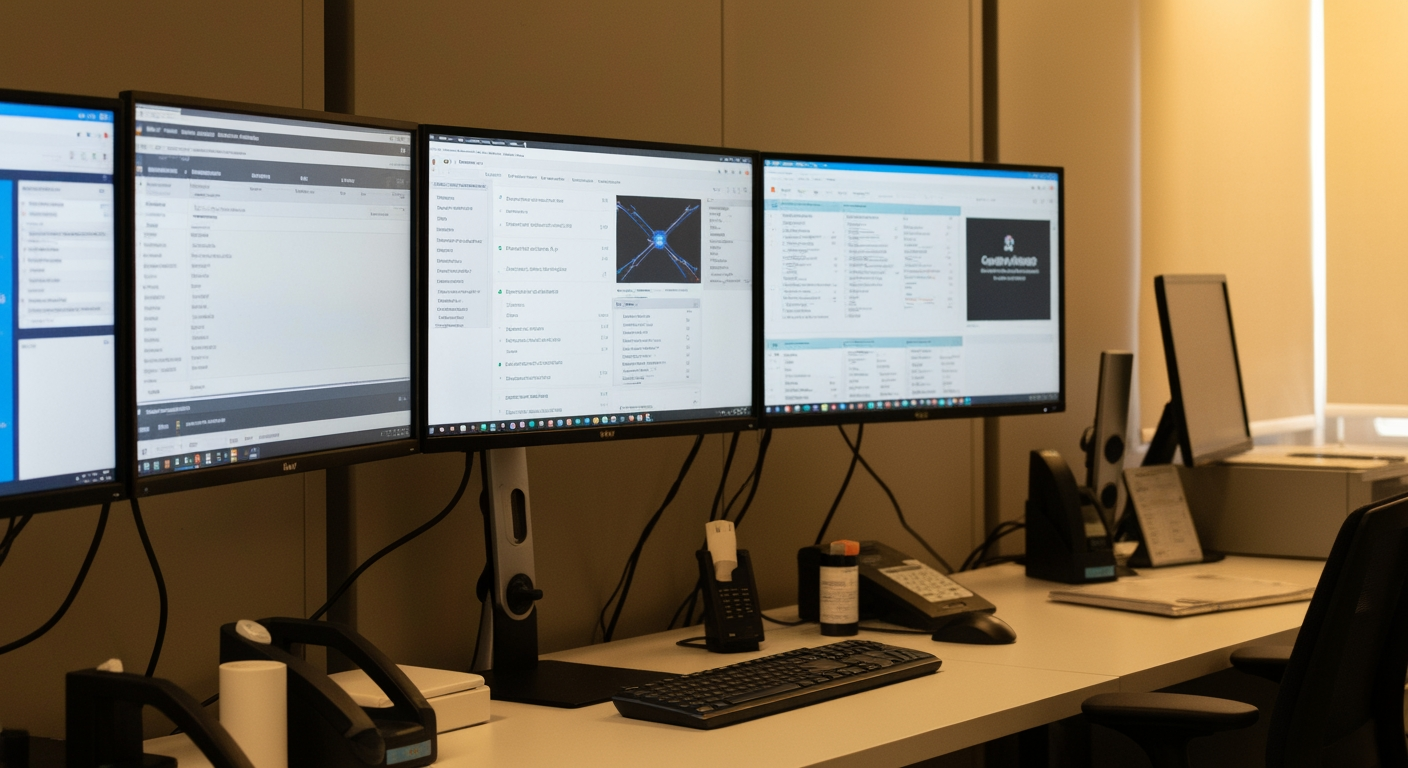
The practical implementation of continuous monitoring requires a control center of sorts: a central compliance dashboard that aggregates data from all monitoring systems and presents actionable status information to facility leadership. This dashboard should show:
- Compliance status across all CMS conditions of participation (scores, trend lines)
- Number of open compliance-related incidents or deficiencies and days overdue
- Staff training and competency currency rates by department and risk area
- Environment of care round completion rates and identified issues
- Patient safety event trends and root cause analysis status
- State licensure and accreditation-specific compliance metrics
Leadership should review this dashboard weekly and establish clear escalation protocols: if training completion drops below 95%, if environment of care round completion falls below 90%, or if critical deficiencies remain open beyond defined timelines, automatic escalation triggers occur (email alerts to department heads, reporting to compliance committee, assessment by executive leadership).
This approach prevents the “surprise” CMS finding. Issues don’t fester for months until a survey uncovers them; they’re identified and remediated in real time because leadership has visibility and accountability. When surveyors eventually arrive, they’re not discovering new problems—they’re verifying that the facility’s continuous monitoring systems are functioning effectively.
Technology Implementation Roadmap: Building Continuous Compliance Infrastructure
Phase 1: Assessment and System Integration (Q2 2026)
Begin by conducting a comprehensive assessment of existing systems. Most healthcare facilities already have multiple compliance-related tools in place: electronic health records, facility management systems, learning management systems, incident reporting platforms. The first phase of continuous monitoring is integration—connecting these systems so that compliance data flows from operational systems into a central compliance intelligence platform rather than requiring manual data gathering before surveys.
Identify the regulatory requirements that are most frequently cited in surveys and highest-risk. For most hospitals, these fall into categories like: medication administration safety, infection prevention, environment of care, staff competency, medical staff credentialing, and quality assurance processes. Design data collection processes that capture evidence of compliance in these areas on an ongoing basis.
Phase 2: Mobile and Sensor Infrastructure (Q3 2026)
Implement mobile tools that enable staff to document compliance observations and issues in real time rather than collecting data retrospectively. This includes environment of care inspection apps, incident reporting apps, training completion tracking through mobile LMS access, and staff competency assessments. Depending on facility size and complexity, consider adding sensor infrastructure: automated hand hygiene monitoring at key locations, environmental sensors for temperature and humidity control verification, equipment monitoring that logs functionality and maintenance intervals.
Phase 3: Data Integration and Automation (Q4 2026)
Connect data flows from operational systems to the compliance intelligence platform. This requires IT infrastructure work: APIs connecting the EHR to the compliance system, integration of facility management system data, linking the LMS to compliance dashboards. Once data flows are integrated, implement automated alerts: when training completion drops below thresholds, when environment of care round completion lags, when incident patterns emerge, or when critical deficiencies remain open beyond defined timelines.
Phase 4: Analytics and Continuous Improvement (2027 and Beyond)
Once continuous data collection is operational, implement analytics that identify trends, predict compliance risks before they materialize, and inform facility-wide process improvements. For example, if hand hygiene compliance is 87% on day shift but only 72% on night shift, the data signals a staffing or process issue that can be addressed before infection rates increase. If medication administration errors cluster in specific units or shifts, targeted interventions become possible.
Change Management: Shifting Culture from Survey-Driven to Operations-Driven Compliance
The biggest challenge in implementing continuous compliance monitoring is not technological—it’s cultural. For years, staff have learned that compliance is something that happens before surveys. Implementing continuous monitoring requires changing that perception so that compliance becomes routine, built into daily workflows, and seen as part of operational excellence rather than a separate function.
This requires explicit communication and leadership commitment. When a CEO or COO publicly states “Our CMS survey readiness target is to be ready for an unannounced survey on any given day,” and backs that statement with resources and accountability structures, it fundamentally shifts how staff approach their work. Training should emphasize that continuous monitoring benefits everyone: staff have less intensive survey preparation burden because compliance is continuous; patients receive safer, more compliant care because protocols are continuously verified and improved; the facility avoids the disruptive and expensive aftermath of regulatory sanctions.
FAQ: Continuous Compliance Monitoring and Technology-Enabled Operations
A: Not necessarily. While enterprise-scale implementations can be complex, the foundational components can be phased and prioritized. Start with the highest-risk areas and most frequently cited deficiencies. Many healthcare facilities already have core systems in place (EHR, facility management, incident reporting); the initial investment is integration and mobile tools, not necessarily all-new platforms. Cloud-based compliance software solutions have significantly reduced capital requirements compared to legacy on-premise systems.
A: Alert fatigue is a real challenge. The solution is calibration and feedback loops. Start with conservative thresholds that are more likely to trigger false positives; work with operational staff to understand which alerts are genuinely valuable and which are noise. Implement automated feedback mechanisms where staff can flag false alerts, which the system learns from to refine future alerts. After several months of tuning, alert quality improves significantly.
A: This is a legitimate concern but reflects a misunderstanding of how compliance works. If issues exist, they exist whether you monitor them or not. The question is whether you discover and remediate them before harm occurs or before surveyors find them. Continuous monitoring with documented remediation demonstrates good faith compliance efforts and is far more defensible than surveyors discovering previously unknown deficiencies. Additionally, using discovered issues to drive improvements is the essence of risk management and quality assurance.
A: Continuous monitoring should never be purely automated. Instead, automation captures and flags potential issues, but human verification remains essential. For example, an automated environment of care scan might show all checkpoints completed, but periodically, supervisors should physically verify findings. The combination of automated data collection with periodic validation provides confidence while reducing manual workload significantly compared to traditional approaches.
Conclusion: Compliance as Operational Excellence
The shift from point-in-time compliance to continuous operations represents the maturation of how healthcare facilities manage regulatory requirements. In 2026, facilities with continuous monitoring systems will be fundamentally ahead of those still preparing for surveys: they’ll experience fewer surveyor findings, reduce the operational burden of compliance activities on clinical staff, and identify and remediate risks before they cause patient harm or regulatory sanction.
The investment is significant—in time, technology, and organizational change management. But the return is equally substantial: a healthcare facility that is genuinely survey-ready on any given day is a facility that has embedded compliance into its operational DNA, delivering not just regulatory compliance but operational excellence and patient safety as standard outcomes.