What is tracer methodology in a Joint Commission life safety survey?
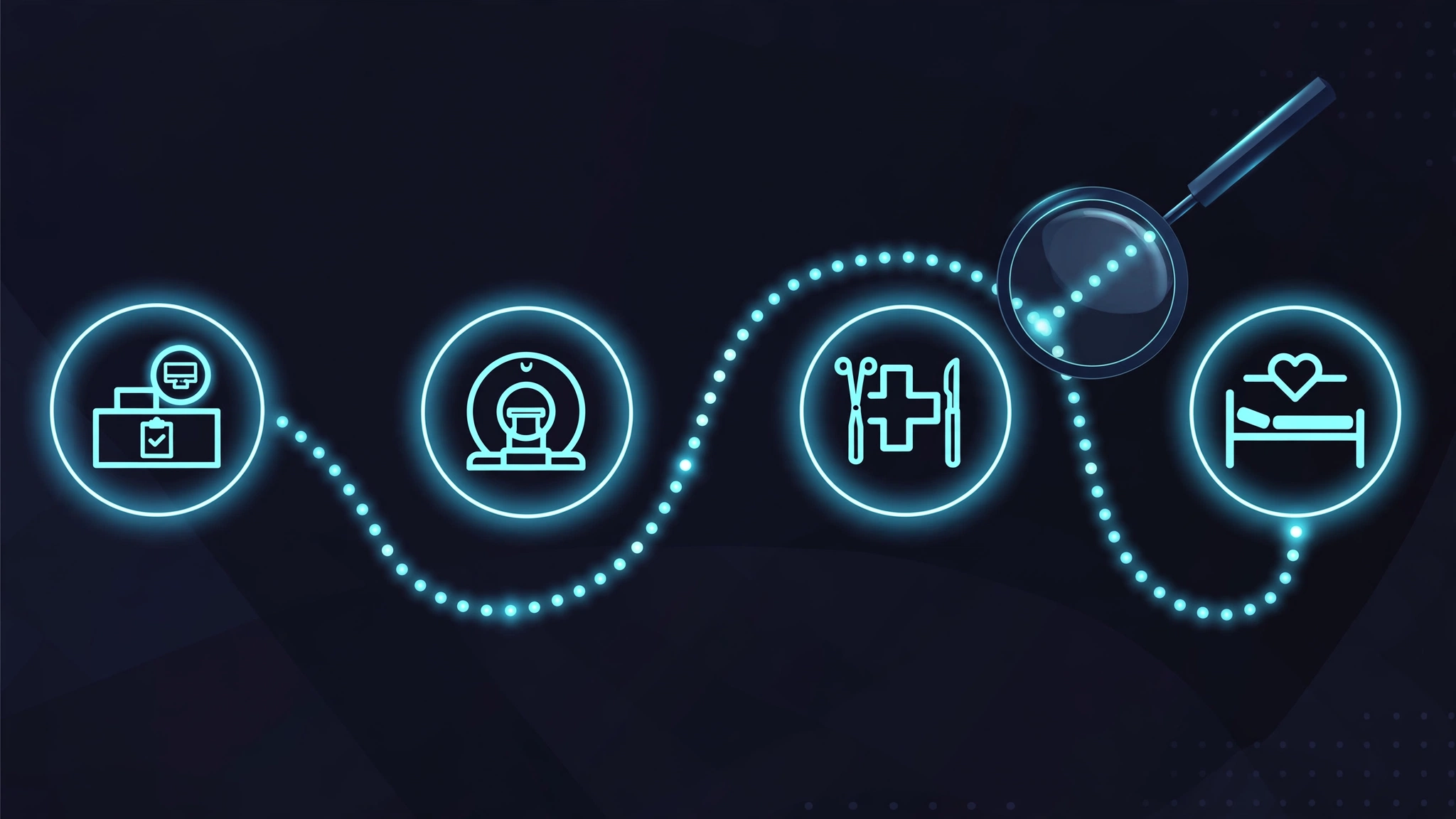
Tracer methodology is the Joint Commission’s survey technique of following real patients, real processes, and real systems through the organization to test whether standards work in practice — not just on paper. Instead of auditing policies in a conference room, surveyors pick a patient (or a process) and trace the experience across departments, watching how handoffs, communication, and safeguards actually function.
The three types of tracers
- Individual tracers follow a specific patient’s care experience through the organization. Surveyors select patients in high-risk areas or with diagnoses that allow deep evaluation of processes — then walk the patient’s path: admission, unit care, diagnostics, procedures, discharge. Every handoff is a test.
- System tracers evaluate a system or process across the organization — how disciplines coordinate, how information flows, where the interfaces break. The classic system tracer topics include data management, infection control processes, and medication management.
- Program-specific tracers focus on risk points within particular care types or high-risk, high-volume populations relevant to the organization.
What this means for facilities teams
Tracers don’t stay in clinical areas. An individual tracer following a surgical patient will pass through sterile processing, the OR suite (ventilation, pressure relationships), and PACU — every one of those is your equipment. A system tracer on infection control walks straight into your world: isolation room pressure monitoring, construction barriers, water management. Facilities findings surface inside clinical tracers, which is why your maintenance logs and monitoring records need to be as survey-ready as the nursing documentation.
How to prepare
Run your own mock tracers quarterly. Pick a high-risk patient type your facility serves, assemble a multidisciplinary team, and trace the experience honestly — including the facilities touchpoints most mock surveys skip: the pressure monitor above the isolation room door, the temperature log for the blanket warmer, the ILSM signage in the construction corridor. Document what you find and fix it; surveyors can tell the difference between a program that self-assesses and one that doesn’t.
Tracers follow the patient — including through your systems.
See what Accreditation 360 expects of the physical environment and the complete infection control guide.
FAQ
How are patients selected for tracers?
Surveyors choose patients in high-risk areas or with diagnoses, ages, or service types that enable the deepest evaluation of the organization’s processes — not random charts.
What’s the difference between an individual tracer and a system tracer?
Individual tracers follow one patient’s care journey across departments. System tracers evaluate an organization-wide process (like infection control or data management) and how departments coordinate within it.
Do tracers include the physical environment?
Yes. Tracers cross clinical and facility domains constantly — ventilation, pressure relationships, equipment, construction barriers, and emergency systems all surface inside patient and system tracers.