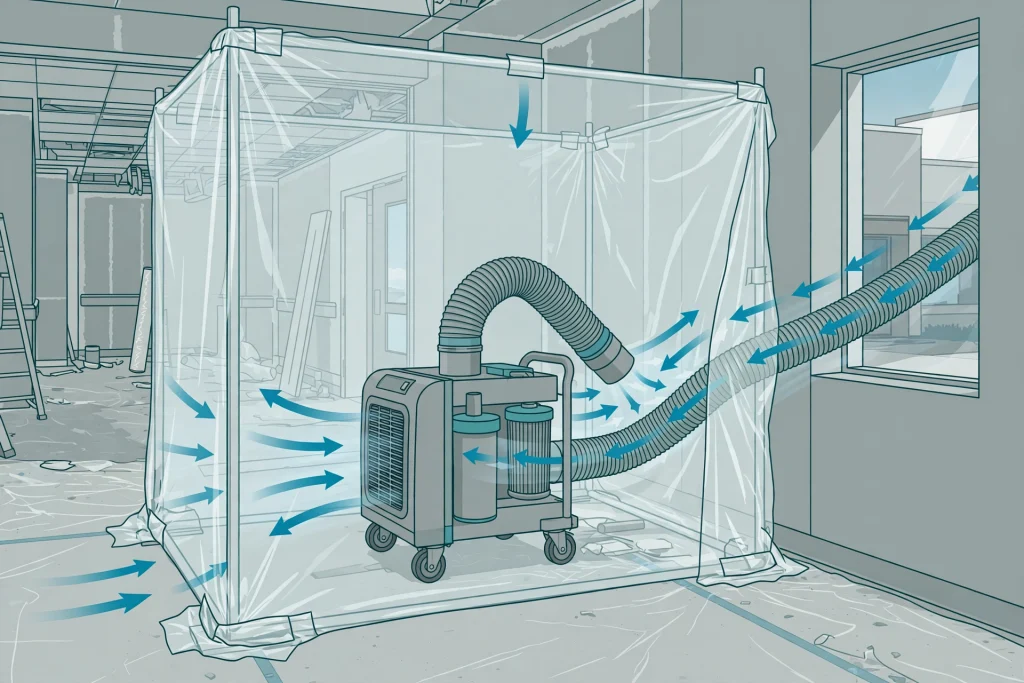
HEPA-Filtered Negative Air Machines in Hospitals
What is a HEPA-filtered negative air machine used for in hospitals? A HEPA-filtered negative air machine creates the negative pressure
Joint Commission, CMS, OSHA, and state health department compliance requirements for healthcare facility managers.
What is a HEPA-filtered negative air machine used for in hospitals? A HEPA-filtered negative air machine creates the negative pressure
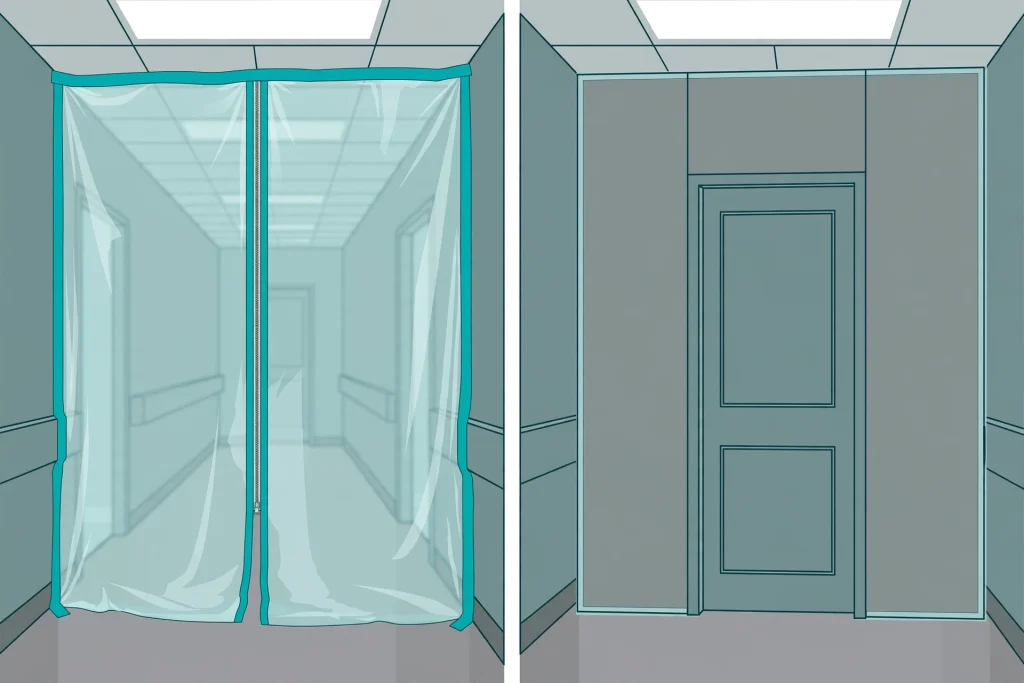
What is the difference between soft and hard containment barriers? Soft vs. hard containment barriers: 6-mil fire-retardant polyethylene sheeting (left)
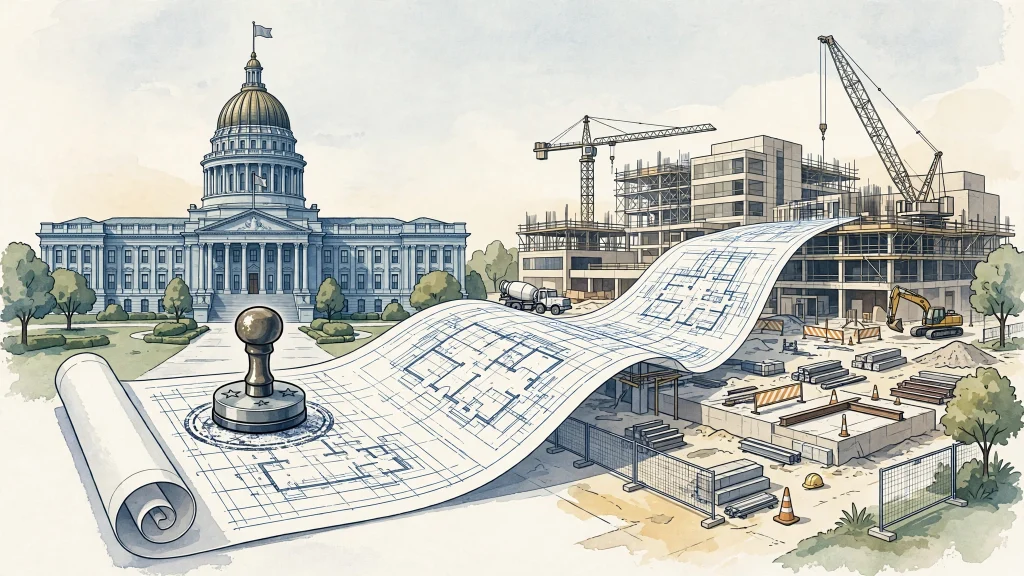
42 states adopt FGI by reference — usually through health facility licensing regs, parallel to the building code. How it works.
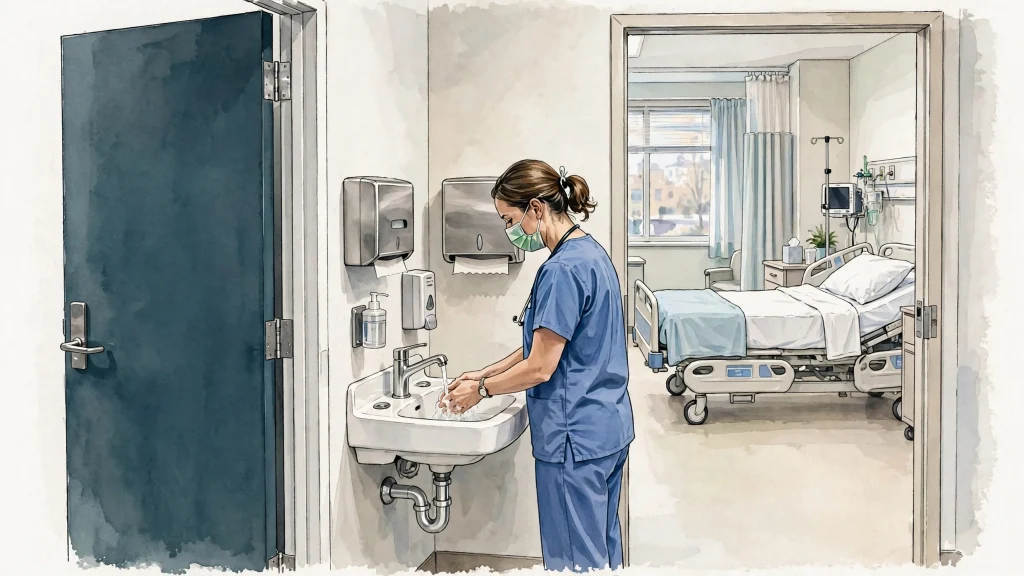
A handwashing station in the room since 2001, near the entrance, unobstructed — plus why sanitizer doesn’t substitute.
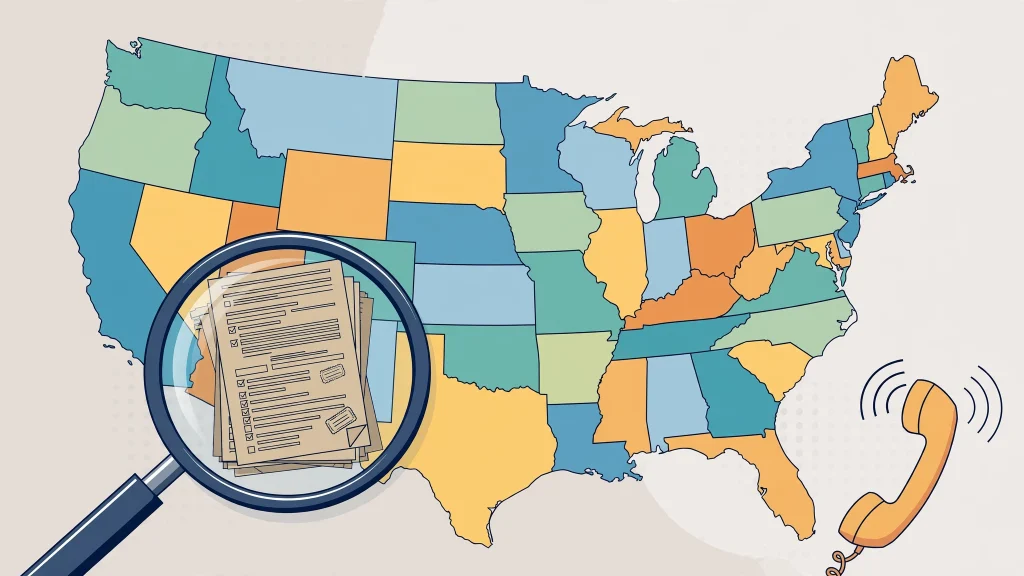
The adopted edition, not the newest. How to find it, the edition-lag trap, and states with documented FGI adoption.

Guidelines became Codes, advisory moved to Handbooks, OneSource launched — plus MPU minimums, new chapters, and revised clearances.
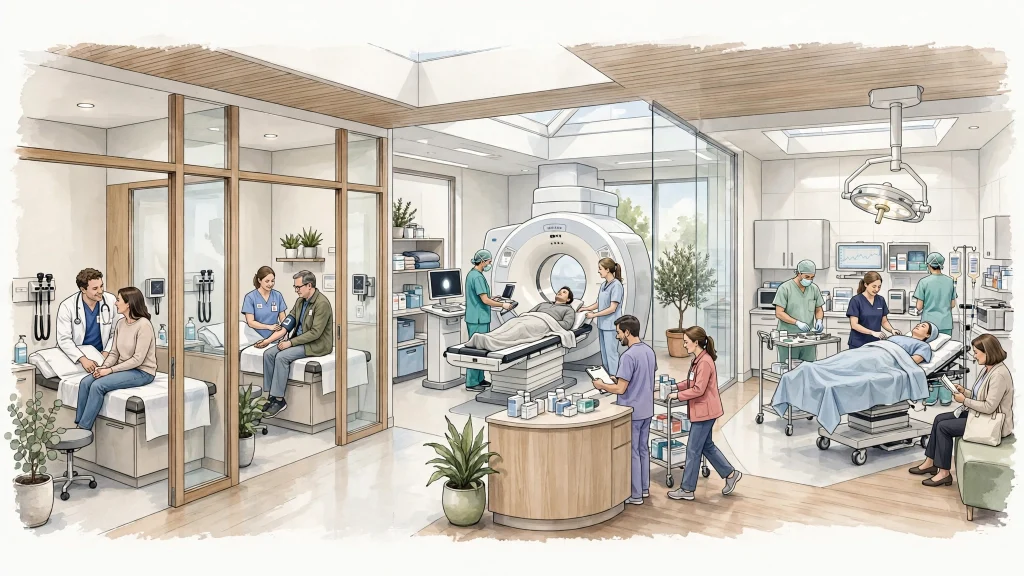
The FGI Code for Outpatient Facilities — what’s in it, which document governs gray zones, and edition caution.

FGI OneSource, print/digital Codes, Handbook subscriptions — and why you check the adopted edition before buying.
The consensus minimum requirements for US healthcare facility design — now called FGI Codes, adopted by 43 states.
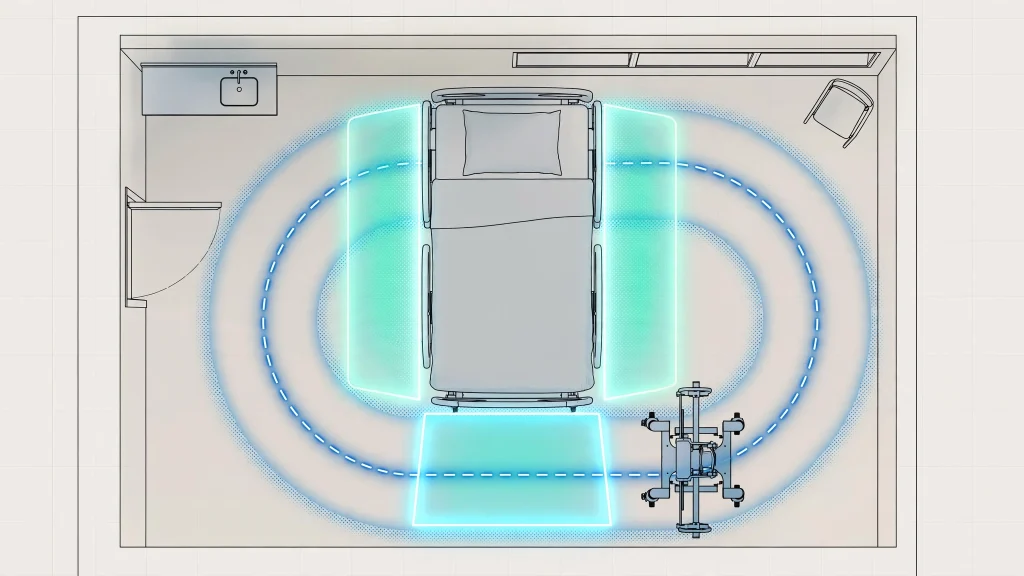
FGI’s long-standing hospital minimum is 3 feet (36 inches) at the bed sides and foot. Confirm the 2026 FGI Hospital Code values before relying on them.
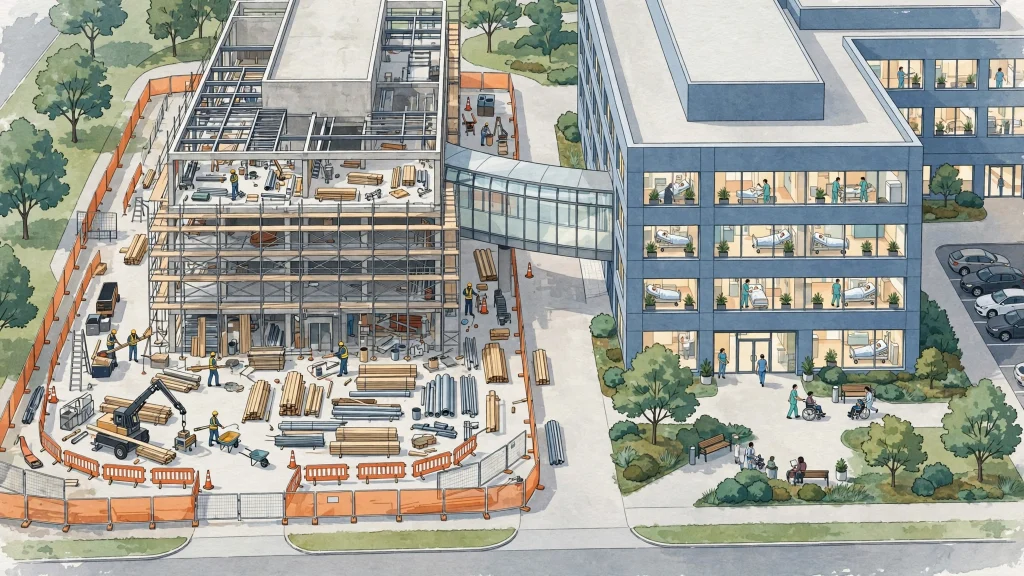
Where adopted, FGI governs major renovations — not just new construction. Budget impact, phasing, and ICRA/ILSM coordination.
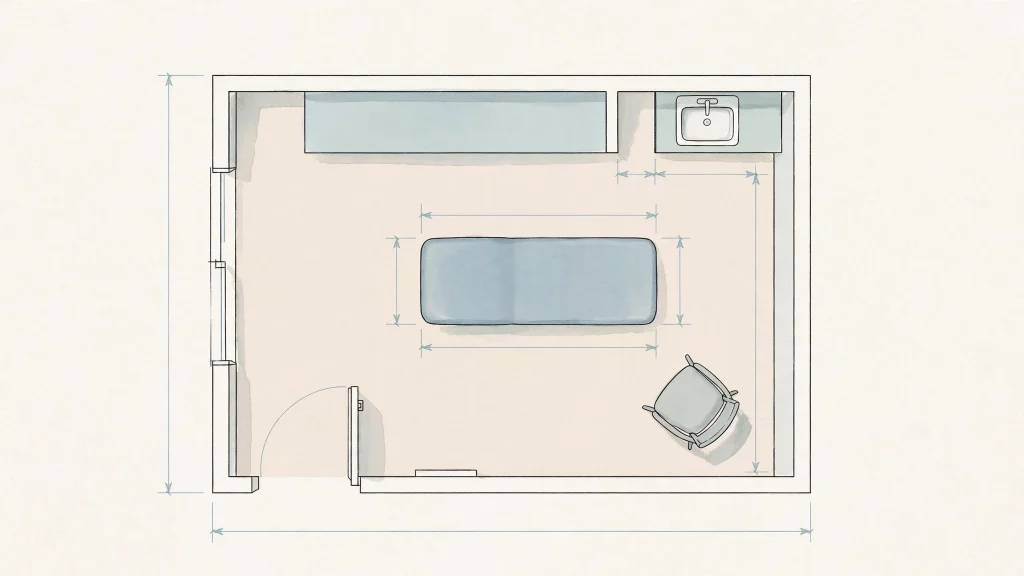
80 square feet minimum clear floor area per FGI 2022 outpatient — plus the required contents. Why designers plan to 100.
Healthcare Facility Hub — the weekly brief. Surveys, water, plant and readiness, every week.